

Nearly 40 percent of American households say they feel overwhelmed by clutter and disorganization. The rising appeal of minimalism is no surprise when daily life feels crowded with possessions and endless distractions. By cutting through the common myths and revealing what minimalism truly means, this guide offers clarity and practical insight for anyone interested in building a more intentional and peaceful living space.
Table of Contents
- Defining Minimalism And Common Misconceptions
- Types Of Minimalism In Modern Living
- Core Principles And Everyday Practices
- Benefits Of Minimalism For Home Organization
- Mistakes To Avoid When Embracing Minimalism
Key Takeaways
| Point | Details |
|---|---|
| Understanding Minimalism | Minimalism focuses on intentional living, prioritizing personal values over material possessions. It is about creating meaningful spaces rather than extreme deprivation. |
| Personalized Approach | Minimalism varies by individual preferences, with different interpretations like Scandinavian or Japanese minimalism. Each approach emphasizes intentionality and functional design. |
| Gradual Decluttering | Embrace minimalism as a gradual process by thoughtfully evaluating the utility and emotional value of items rather than rushing to declutter. |
| Continuous Journey | Minimalism is not a fixed destination but a constant practice of refining one’s relationship with possessions and space. Aim for progress, not perfection. |
Defining Minimalism and Common Misconceptions
Minimalism is far more than just having fewer possessions. It’s a purposeful lifestyle philosophy focused on intentionality, clarity, and creating meaningful space in both physical environments and personal experiences. Unlike popular misconceptions, minimalism isn’t about living with nothing or creating sterile, empty spaces.
Researchers have identified several key misconceptions about minimalist living that prevent people from understanding its true essence. Many assume minimalism means getting rid of everything or living an ascetic lifestyle. In reality, minimalism is about curating your environment and belongings to support what truly matters to you. It’s a deliberate approach to eliminating excess and focusing on quality over quantity.
At its core, minimalism represents a strategic approach to life that prioritizes personal values and experiences over material accumulation. This means different things for different people. For some, it might involve reducing physical clutter in their home. For others, it could mean simplifying their schedule, relationships, or digital consumption. Intentionality is the key principle: every item, commitment, and relationship should serve a meaningful purpose.
Common myths about minimalism include believing it requires extreme deprivation or that it’s only for a specific type of person. The truth is far more nuanced. Minimalist home organization can look different for everyone. Some people might keep a carefully curated collection of books or art, while others might prefer ultra-sparse spaces. The goal isn’t perfection but creating an environment that supports your best life.
Types of Minimalism in Modern Living
Minimalism isn’t a one-size-fits-all concept, but rather a flexible lifestyle approach with distinct variations that cater to different preferences and cultural influences. Architectural research reveals several prominent styles of minimalist living, each with unique characteristics and philosophical foundations.
Scandinavian Minimalism exemplifies a design philosophy characterized by light wood furniture, clean white walls, and an emphasis on functionality. This style prioritizes creating bright, airy spaces that feel simultaneously elegant and practical. Natural materials and neutral color palettes dominate, reflecting a deep connection to Nordic design principles that value simplicity and comfort.
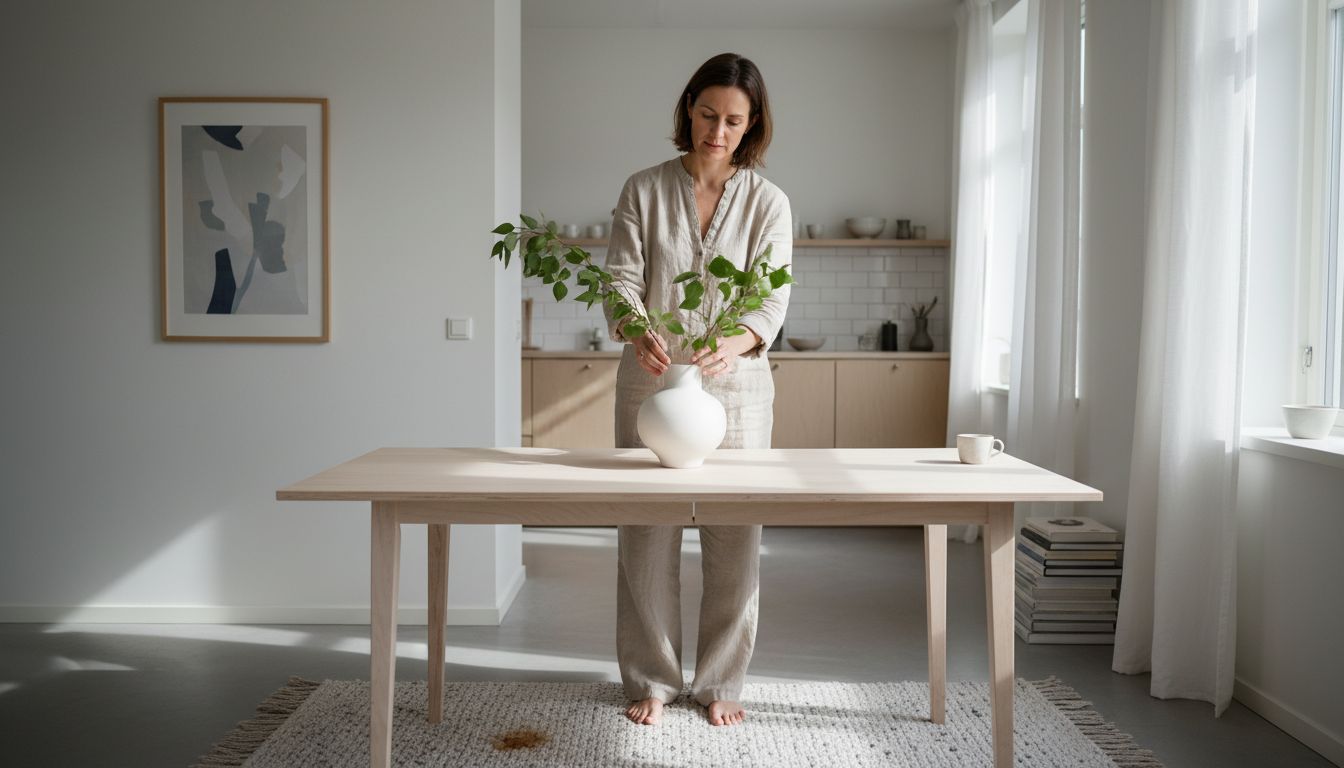
Japanese Minimalism represents another profound interpretation, focusing intensely on balance, negative space, and intentional design. Unlike Western approaches, Japanese minimalism draws from Zen Buddhist principles of mindfulness, where each object serves a specific purpose and unnecessary elements are systematically removed. Small space storage solutions become critical in this approach, transforming limited areas into highly functional living environments.
Modern minimalism has evolved to embrace more personalized interpretations. Extreme minimalist design demonstrates how reducing physical clutter can promote mental clarity and reduce stress. Some practitioners adopt a radical approach of owning fewer than 100 personal items, while others practice a more moderate strategy of carefully curating possessions that genuinely spark joy and serve meaningful purposes. The underlying philosophy remains consistent: intentionality trumps quantity, and personal well-being matters more than material accumulation.
Core Principles and Everyday Practices
At its heart, minimalism is about intentional living and creating space for what truly matters. Architectural research on minimalist living reveals core principles that go far beyond simply reducing possessions. These principles include embracing simplicity, selecting neutral color palettes, prioritizing functionality, and maintaining clean, uncluttered environments that promote mental clarity and emotional well-being.
Practical implementation of minimalism begins with strategic decluttering. This doesn’t mean throwing away everything, but carefully evaluating each item’s purpose and emotional value. Start by tackling one space at a time - perhaps a closet, home office, or kitchen drawer. Ask yourself critical questions: Does this item serve a genuine purpose? Does it bring joy or utility? Minimalist storage solutions can help transform cluttered spaces into streamlined, efficient areas that support your lifestyle.
Mental clarity is another fundamental aspect of minimalist practice. Extreme minimalist approaches demonstrate how reducing physical clutter directly correlates with reduced mental stress. This might involve creating designated spaces for specific activities, limiting digital distractions, or adopting a more intentional approach to daily routines. The goal isn’t perfection, but progressive improvement in how you interact with your environment and personal possessions.
Ultimately, minimalism is a personal journey of continuous refinement. Some practitioners might focus on reducing physical items, while others concentrate on simplifying schedules, relationships, or digital consumption. The key is developing a consistent practice of intentionality - regularly assessing what adds genuine value to your life and courageously releasing what does not. This approach transforms minimalism from a design aesthetic into a profound lifestyle philosophy of mindful living.
Benefits of Minimalism for Home Organization
Home organization transforms dramatically when minimalist principles are applied strategically. Architectural research on minimalist living reveals that simplifying living spaces can dramatically reduce stress, increase focus, and create more serene environments by eliminating unnecessary items and emphasizing functional design.
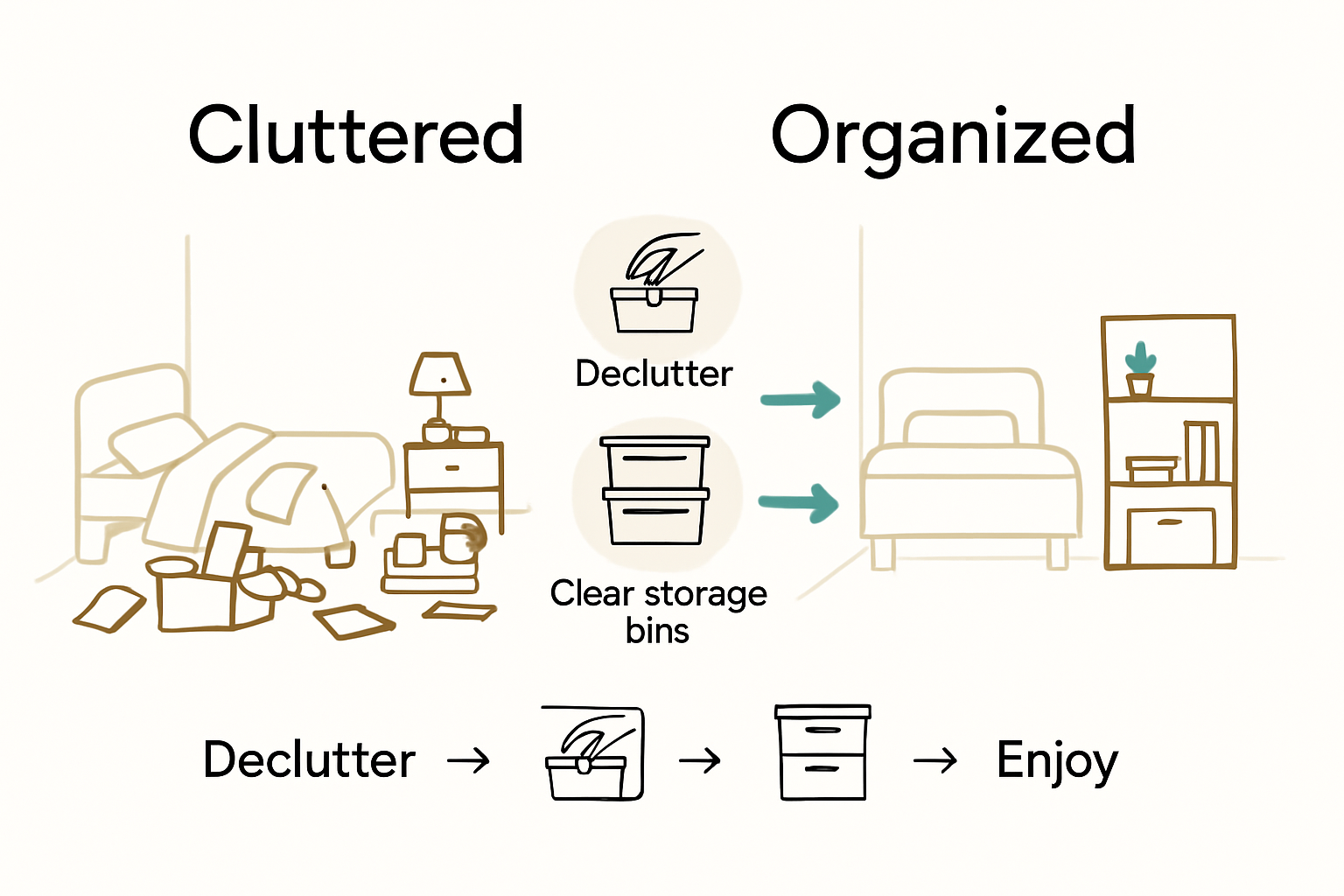
The psychological benefits of minimalist home organization extend far beyond aesthetic appeal. By curating spaces that contain only meaningful, purposeful items, homeowners experience reduced mental clutter and enhanced emotional well-being. Home organization tips suggest that creating designated spaces for specific items and regularly reassessing belongings can lead to increased productivity and a sense of calm.
Spatial efficiency becomes a transformative outcome of minimalist approaches. Extreme minimalist strategies demonstrate how reducing physical possessions directly correlates with creating more open, breathable living spaces. This doesn’t mean living with nothing, but rather intentionally selecting items that serve multiple purposes, maximize storage potential, and contribute to a sense of visual and functional harmony.
Ultimately, minimalist home organization is about creating environments that support your lifestyle, not restricting it. By focusing on quality over quantity, developing intentional storage solutions, and regularly curating your living spaces, you create a home that feels both efficient and deeply personal. The goal is not perfection, but progressive improvement in how you interact with your physical environment.
Mistakes to Avoid When Embracing Minimalism
Minimalism is a nuanced lifestyle philosophy, not a rigid set of rules. Research on minimalist misconceptions reveals that many people inadvertently sabotage their minimalist journey by misunderstanding its core principles. The most common error is treating minimalism as an all-or-nothing approach, believing you must immediately discard most of your possessions or create a stark, lifeless living environment.
Another critical mistake is rushing the decluttering process. Letting go of clutter requires thoughtful consideration, not impulsive disposal. Homeowners often make the error of getting rid of items without truly evaluating their functional or emotional significance. This can lead to unnecessary repurchases or feelings of loss. Instead, approach minimalism as a gradual, intentional process of curating your living space.
Perfectionism can be a significant roadblock in minimalist practice. Many individuals become paralyzed by the desire to create the ideal minimalist space, which contradicts the very essence of the philosophy. Minimalism isn’t about achieving a picture-perfect aesthetic, but about creating a functional, meaningful environment that supports your lifestyle. Some people mistakenly believe they must own a specific number of items or maintain an ultra-sparse living space, when in reality, minimalism is deeply personal and flexible.
Ultimately, the most profound mistake is viewing minimalism as a destination rather than a continuous journey of intentional living. Your relationship with your possessions and space will evolve, and so should your approach to minimalism. The goal is not to strip your life of joy or comfort, but to create space for what truly matters - experiences, relationships, and personal growth.
Simplify Your Space with Intentional Storage Solutions
Embracing minimalism means more than just reducing clutter. It is about creating meaningful spaces that support your well-being and lifestyle goals through intentional choices. If you are ready to transform your home into a serene, organized refuge that reflects minimalist principles, start with the right storage solutions designed to maximize efficiency and style.

Discover premium options for storage boxes, baskets, dividers, and containers at Blush Bees. These products are specially curated to help you implement effective small space storage solutions and maintain a clean, functional environment that eases mental clutter and enhances focus. Don’t wait to make your home a calming retreat—explore minimalist home organization tips and shop now to start your intentional living journey today.
Frequently Asked Questions
What is the essence of minimalism?
Minimalism is a lifestyle philosophy that emphasizes intentionality and clarity, encouraging individuals to curate their environments and belongings to focus on what truly matters rather than material accumulation.
What are the core principles of minimalism?
The core principles of minimalism include embracing simplicity, prioritizing functionality, maintaining clean and uncluttered spaces, and creating environments that promote mental clarity and emotional well-being.
How can I start decluttering my home as a minimalist?
Begin by tackling one space at a time and carefully evaluate each item’s purpose and emotional value. Ask yourself if the item serves a genuine purpose or brings joy. Use minimalist storage solutions to efficiently manage your space as you declutter.
What mistakes should I avoid when embracing minimalism?
Common mistakes include treating minimalism as an all-or-nothing approach, rushing the decluttering process, striving for perfectionism, and viewing minimalism as a destination rather than an ongoing journey of intentional living.

