

Over 60 percent of american households are searching for ways to make their homes feel more inviting and serene. The pursuit of true comfort goes beyond just picking stylish furniture or following fleeting trends. Understanding the Danish concept of hygge brings a deeper sense of emotional well-being and warmth to any space. This guide reveals how hygge-inspired design principles can help american homes feel more welcoming, relaxed, and genuinely connected.
Table of Contents
- Defining Hygge Decor And Core Concepts
- Key Elements And Aesthetic Features
- Popular Hygge Decor Styles For Homes
- Integrating Hygge With Home Organization
- Common Mistakes And How To Avoid Them
Key Takeaways
| Point | Details |
|---|---|
| Concept of Hygge | Hygge is a Danish philosophy focusing on creating warmth and emotional well-being through intentional design that fosters coziness and contentment. |
| Key Elements | The aesthetic features of hygge include soft textures, warm lighting, natural materials, and neutral color palettes that promote relaxation. |
| Popular Styles | Common hygge decor styles like Nordic Rustic and Modern Scandinavian emphasize minimalism and organic warmth while fostering an inviting atmosphere. |
| Organization Principle | Hygge home organization blends aesthetic beauty with functionality, prioritizing mindful storage and emotional connection to create calm, curated spaces. |
Defining Hygge Decor and Core Concepts
Hygge represents more than just a design aesthetic - it’s a profound Danish lifestyle philosophy centered on creating warmth, comfort, and genuine contentment within living spaces. At its core, hygge is about cultivating an atmosphere of coziness that transforms ordinary moments into meaningful experiences. This concept goes beyond mere decoration, focusing on generating a sense of emotional well-being through intentional design choices.
Originally a Norwegian and Danish term, hygge embodies a profound approach to interior design that prioritizes comfort and emotional connection. Scandinavian design principles heavily influence hygge’s aesthetic, emphasizing minimalism, functionality, and a sense of tranquility. The fundamental elements of hygge decor include soft textures, warm lighting, neutral color palettes, and carefully curated spaces that invite relaxation and intimacy.
Key characteristics of hygge decor encompass several essential components:
- Soft Textural Elements: Chunky knit blankets, plush throw pillows, and warm wool rugs
- Warm Lighting: Soft ambient lighting through candles, dimmable lamps, and string lights
- Natural Materials: Wood accents, woven textiles, and organic elements that create a sense of groundedness
- Neutral Color Schemes: Muted tones like cream, soft grays, light browns that promote calmness
Ultimately, hygge decor transforms living spaces into sanctuaries of comfort. It’s not about perfection, but about creating environments that feel genuinely welcoming and nurturing. By focusing on sensory experiences and emotional connections, hygge design invites inhabitants to slow down, appreciate simplicity, and find joy in life’s quieter moments.
Key Elements and Aesthetic Features
Hygge design transforms living spaces into sanctuaries of comfort through carefully curated aesthetic elements that prioritize sensory experiences and emotional connection. Open shelving organization plays a crucial role in creating the minimalist, uncluttered environments that define this design philosophy, allowing spaces to breathe and feel intentionally curated.
The core aesthetic features of hygge decor center on creating a warm, inviting atmosphere through strategic design choices. Natural materials form the foundation of this approach, with wood, stone, and organic textiles providing tactile warmth and visual depth. Soft textures become paramount - think chunky knit throws, plush area rugs, and velvet cushions that invite touch and create layers of comfort.
Key visual and sensory elements of hygge design include:
- Color Palette: Neutral, earthy tones that create a sense of calm
- Lighting: Warm, diffused lighting from candles, dimmable lamps, and soft ambient sources
- Textures: Varied soft materials that encourage tactile experiences
- Minimalism: Carefully curated spaces with intentional, meaningful objects
- Natural Elements: Incorporation of wood, stone, and organic materials
Ultimately, hygge design transcends mere decoration. It’s a holistic approach to creating spaces that nurture emotional well-being, inviting relaxation and connection through thoughtful, sensory-rich environments that feel both intentional and effortlessly comfortable.
Popular Hygge Decor Styles for Homes
Hygge decor encompasses several distinctive styles that transform living spaces into warm, inviting sanctuaries. Creating a cozy home requires understanding the nuanced approaches that bring this Danish design philosophy to life, each with its own unique interpretation of comfort and emotional connection.
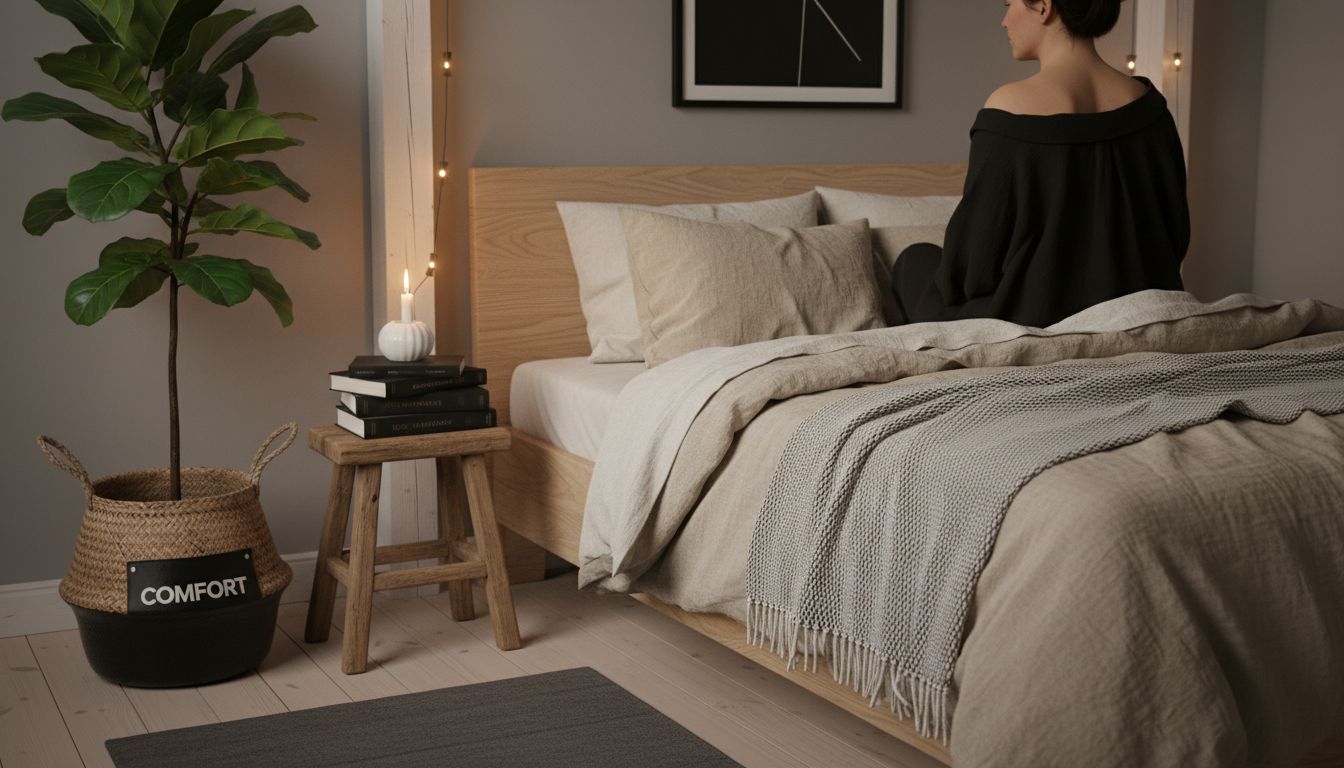
The Scandinavian Minimalist style represents one of the most prominent hygge design approaches, characterized by clean lines, neutral color palettes, and intentional simplicity. Natural wood furniture, soft wool throws, and strategically placed houseplants create a sense of organic warmth. Light plays a crucial role in this style, with soft, diffused lighting from pendant lamps and candles generating an atmosphere of gentle intimacy.
Key popular hygge decor styles include:
- Nordic Rustic: Emphasizes raw wooden textures, earthy tones, and handcrafted elements
- Modern Scandinavian: Focuses on minimalist design with clean lines and functional furniture
- Cabin Chic: Incorporates warm textiles, animal-inspired accessories, and rich natural materials
- Urban Hygge: Adapts traditional hygge principles to smaller, contemporary living spaces
- Farmhouse Cozy: Blends vintage elements with soft textiles and warm, neutral color schemes
Ultimately, hygge decor transcends specific design rules. It’s about creating spaces that feel genuinely comfortable, personal, and emotionally resonant - where every design choice contributes to a sense of well-being and quiet joy.
Integrating Hygge With Home Organization
Hygge and home organization share a fundamental philosophy of creating spaces that bring peace, functionality, and emotional comfort. Understanding home organization basics becomes essential in implementing a truly authentic hygge approach that balances aesthetic beauty with practical living.
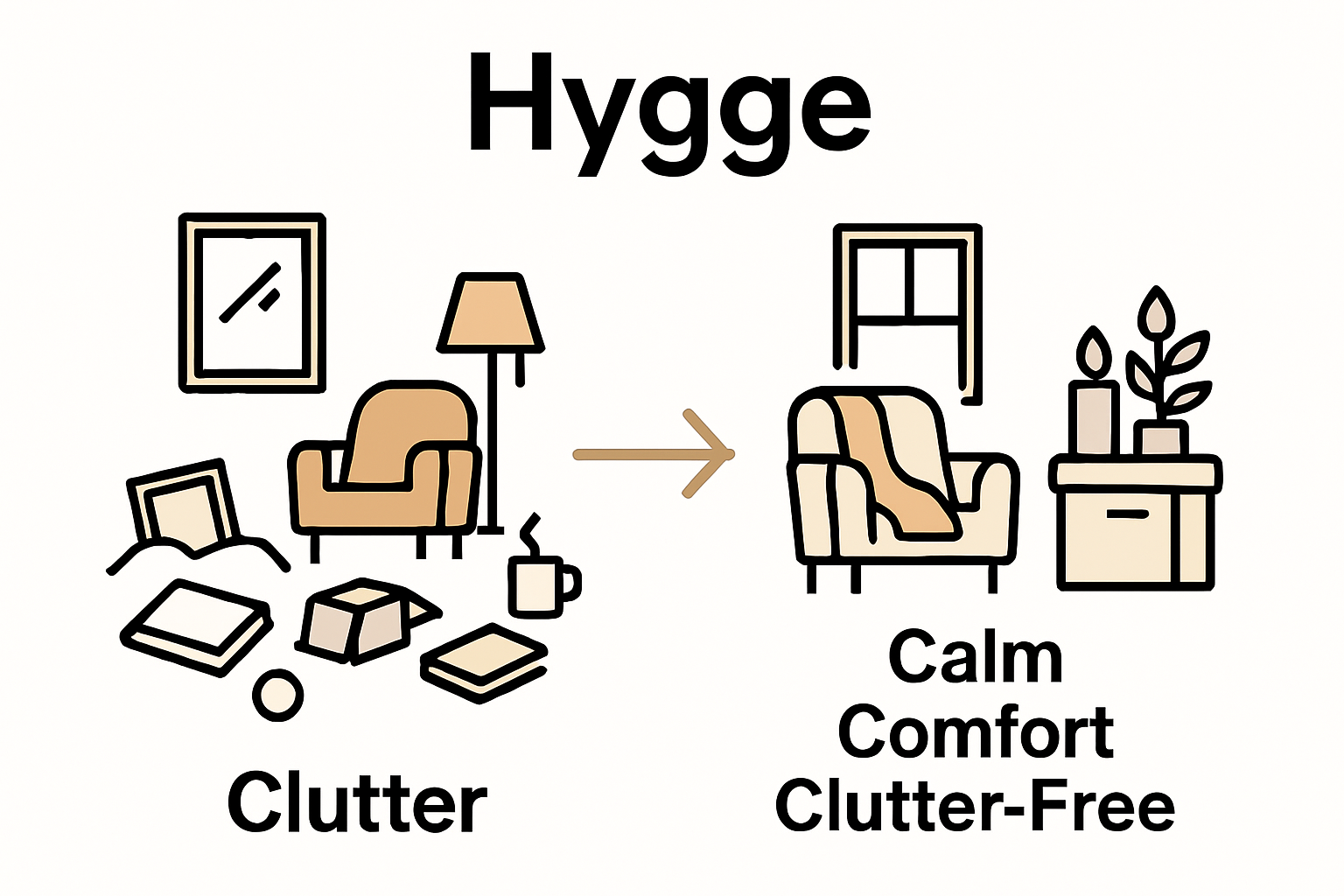
The core principle of hygge organization centers on minimalism and intentionality. Rather than pursuing aggressive decluttering, this approach focuses on curating spaces that spark joy and serve genuine purpose. Soft, neutral storage containers, woven baskets, and wooden shelving become more than functional items - they transform into design elements that contribute to the overall sense of warmth and tranquility.
Key strategies for integrating hygge with home organization include:
- Mindful Storage: Select containers that are visually pleasing and complement your design aesthetic
- Purposeful Decluttering: Keep only items that serve a function or bring genuine happiness
- Texture-Rich Solutions: Use natural materials like woven baskets, wooden boxes, and soft fabric organizers
- Visual Harmony: Create organized spaces that feel calm and intentionally curated
- Emotional Connection: Ensure each storage solution feels like an integral part of your living environment
Ultimately, hygge-inspired organization transcends traditional storage methods. It’s about creating environments that feel simultaneously organized and emotionally nurturing - spaces that breathe, invite relaxation, and reflect your most authentic self.
Common Mistakes and How to Avoid Them
Navigating hygge design requires understanding its subtle nuances and potential pitfalls. 10 home organization tips can help transform potential design missteps into opportunities for creating truly authentic and comfortable spaces.
One of the most critical errors in hygge design involves misunderstanding the delicate balance between minimalism and warmth. Overcrowding spaces with unnecessary items or selecting harsh, bright design elements can completely undermine the core principles of comfort and tranquility. Graphic design principles caution against incorporating loud colors that contradict the calm ideology of hygge, emphasizing instead soft, muted tones that create a sense of emotional peace.
Common hygge design mistakes to avoid include:
- Color Chaos: Steering clear of bright, aggressive color schemes
- Lighting Errors: Avoiding harsh overhead lights that disrupt calm atmospheres
- Clutter Accumulation: Preventing unnecessary item buildup that creates visual stress
- Texture Imbalance: Ensuring a mix of soft, inviting materials
- Emotional Disconnection: Maintaining spaces that feel personally meaningful
Ultimately, hygge is about creating environments that feel genuinely nurturing. It’s not about perfection, but about crafting spaces that breathe with comfort, invite relaxation, and reflect your most authentic self - where every design choice contributes to a sense of well-being and quiet joy.
Embrace Hygge Comfort with Stylish Organization Solutions
Creating a truly cozy and calming home requires more than soft textures and warm lighting. One of the biggest challenges in achieving authentic hygge decor is balancing that serene warmth with practical, clutter-free spaces. The article highlights how mindful storage and intentional decluttering are essential to nurturing emotional well-being and a sense of tranquility. If you want your living space to feel genuinely inviting and thoughtfully curated, you need storage options that complement your hygge aesthetic without compromising functionality.
Explore our range of Bedroom Storage Solutions to find elegant baskets, storage boxes, and organizers designed to enhance your sanctuary. Our collections use natural textures and neutral colors that blend seamlessly with hygge principles.

Start transforming your home into a hygge-inspired haven today. Discover quality, stylish storage products that marry comfort with organization at BlushBees. Combine soothing design and practical solutions to create spaces where you can relax, recharge, and truly feel at peace. Don’t wait to make your home a reflection of your calmest, coziest self.
Frequently Asked Questions
What are the core concepts of hygge decor?
Hygge decor focuses on creating warmth, comfort, and genuine contentment in living spaces. It emphasizes soft textures, warm lighting, neutral color palettes, and curated spaces that promote relaxation and emotional well-being.
How can I incorporate hygge principles into my home organization?
To integrate hygge with home organization, prioritize mindful storage that complements your design aesthetic, declutter purposefully by keeping items that serve a function or bring joy, and use texture-rich solutions like woven baskets and wooden boxes for a warm, tranquil environment.
What are common mistakes to avoid in hygge design?
Common mistakes include using bright, harsh color schemes that disrupt calm, relying on harsh overhead lighting, allowing clutter to accumulate, imbalancing textures, and creating spaces that feel emotionally disconnected. Stick to soft colors and inviting materials for a nurturing atmosphere.
What are popular hygge decor styles for homes?
Popular hygge decor styles include Nordic Rustic, Modern Scandinavian, Cabin Chic, Urban Hygge, and Farmhouse Cozy. Each style incorporates elements that create warm, inviting spaces, blending comfort with personal expression.

