

Over 60 percent of American households report struggling to keep clothes organized and free from damage. Finding the right storage containers for clothes matters because crowded closets and poorly chosen bins can shorten the life of favorite shirts and jackets. This guide reveals which storage options help American homes prevent clutter and maintain garment quality, making it easier to protect your wardrobe and maximize every square inch of space.
Table of Contents
- What Are Storage Containers for Clothes?
- Types of Clothing Storage Solutions Explained
- Key Features for Effective Clothes Storage
- Space-Saving Tips for Busy Households
- Common Mistakes When Storing Clothes
Key Takeaways
| Point | Details |
|---|---|
| Proper Storage Enhances Longevity | Using suitable containers protects clothing integrity and extends the lifespan of garments. |
| Utilize Diverse Storage Solutions | Incorporate various storage types based on garment needs, such as vacuum-sealed bags and hanging organizers. |
| Avoid Common Storage Mistakes | Prevent damage by addressing overcrowding, improper hanger use, and moisture mismanagement. |
| Implement Seasonal Rotation | Regularly review and store clothing by season to maintain order and protect garments. |
What Are Storage Containers for Clothes?
Storage containers for clothes represent specialized solutions designed to protect, organize, and maximize wardrobe space. These versatile systems range from simple boxes and bins to sophisticated organizational tools that help maintain garment quality while keeping living spaces neat and stylish. Textile conservation experts emphasize that proper storage is crucial for preserving clothing integrity and extending garment lifespan.
Typically, storage containers for clothes include several primary categories: rigid containers like plastic bins, soft fabric storage bags, hanging organizers, vacuum-sealed bags, and drawer dividers. Each type serves a specific purpose based on clothing type, fabric sensitivity, and available space. Storage methods encompass various techniques such as hanging storage in closets, drawer folding, stackable bins, and vacuum compression for bulky items like winter coats and blankets.
The primary functions of clothing storage containers include space optimization, protection from dust and moisture, seasonal rotation, and maintaining garment structure. High-quality containers prevent fabric damage, control humidity, and create visual order in closets and bedrooms. Some advanced storage solutions feature additional benefits like moisture-wicking materials, antimicrobial treatments, and clear panels for easy item identification.
Pro Storage Tip: Always match your storage container to your specific clothing type - delicate silk items require different storage approaches than sturdy denim, and selecting the right container prevents potential fabric damage and extends garment life.
Here’s a comparison of common clothing storage container types and their strengths:
| Storage Type | Best For | Key Benefit |
|---|---|---|
| Plastic Bins | Bulky or off-season items | Superior protection and stackable |
| Fabric Bags | Lightweight or delicate garments | Breathable; prevents fabric stress |
| Hanging Organizers | Dresses, suits, wrinkle-prone items | Maintains garment shape |
| Vacuum-Sealed Bags | Space-saving for seldom-used items | Maximizes space; moisture control |
| Drawer Dividers | Small, everyday clothes, accessories | Enhances accessibility and order |
Types of Clothing Storage Solutions Explained
Clothing storage solutions are diverse and strategically designed to address different organizational needs and wardrobe challenges. Clothing storage methods range widely, encompassing multiple techniques to protect, preserve, and efficiently arrange garments. The primary goal is to create a systematic approach that keeps clothing accessible, protected from damage, and visually organized.
The primary categories of clothing storage solutions include:
- Hanging Storage Systems: Perfect for dresses, suits, coats, and delicate items that might wrinkle when folded
- Drawer Storage: Ideal for T-shirts, underwear, socks, and other compact clothing items
- Bin and Box Storage: Excellent for seasonal clothing, bulky sweaters, and items not frequently used
- Vacuum-Sealed Bags: Optimal for maximizing space and protecting off-season clothing from moisture and dust
- Accessory Storage: Specialized solutions for shoes, hats, scarves, and other wardrobe accessories
Each storage solution offers unique benefits depending on fabric type, clothing structure, and personal organizational preferences. Soft fabric storage bags work well for lightweight items, while rigid plastic containers provide superior protection for delicate or vintage clothing. Advanced storage systems now incorporate features like moisture-wicking materials, antimicrobial treatments, and clear panels for easy identification.
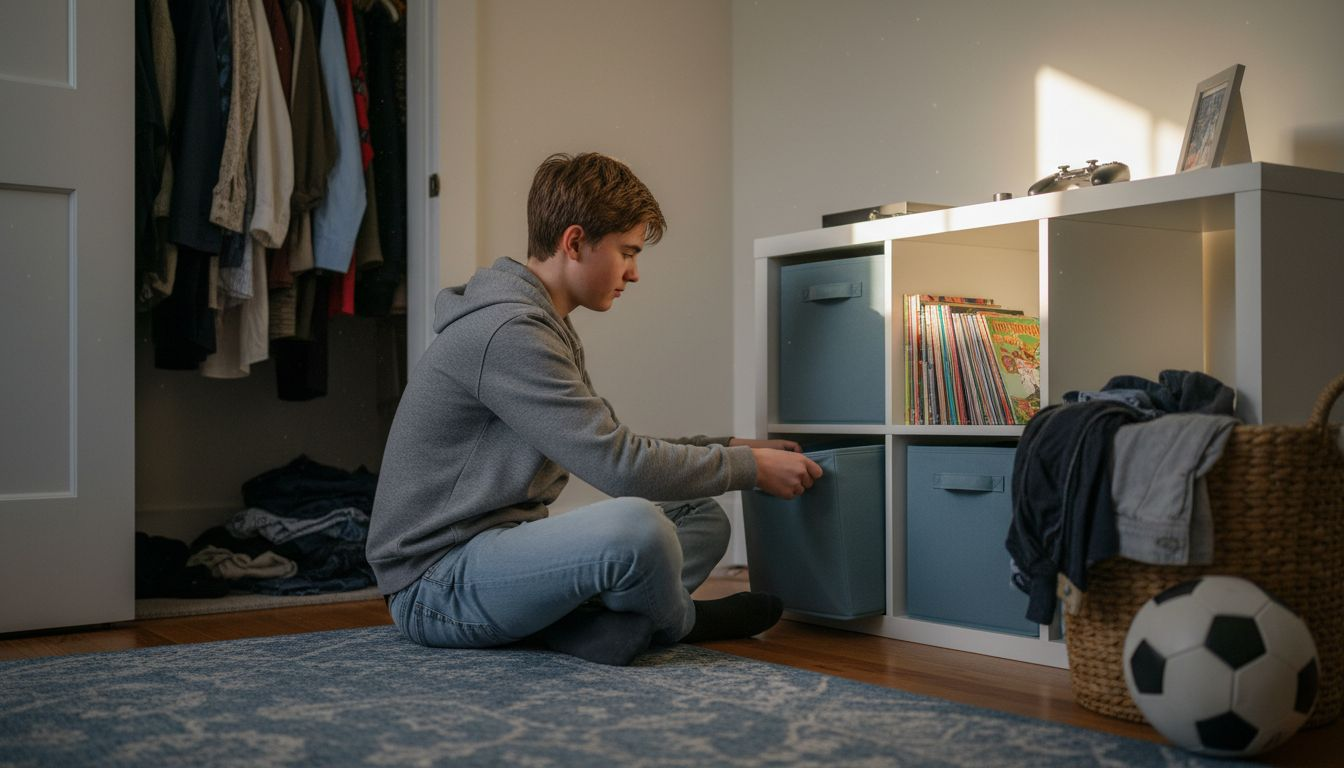
Pro Sorting Tip: Always categorize your clothing storage by season, frequency of use, and fabric sensitivity - this approach prevents unnecessary handling and potential damage while keeping your wardrobe systematically organized.
Key Features for Effective Clothes Storage
Textile conservation experts emphasize that effective clothes storage goes far beyond simply tucking items away. The right storage approach protects garment quality, preserves fabric integrity, and extends the lifespan of your clothing collection. Critical features involve creating an environment that minimizes potential damage while maximizing organizational efficiency.
Key features for effective clothes storage include:
- Environmental Control: Maintaining cool, dry spaces with consistent temperature and moderate humidity
- Proper Support: Using appropriate hangers and storage methods that prevent fabric strain
- Material Selection: Choosing storage containers that allow fabric breathability
- Strategic Organization: Implementing labeling systems and drawer dividers for easy identification and access
- Fabric-Specific Handling: Adapting storage techniques based on individual garment characteristics
Advanced storage solutions now incorporate innovative features like moisture-wicking materials, acid-free protective linings, and climate-controlled compartments. These technologies help prevent common clothing storage issues such as mildew, color fading, and fabric deterioration. Specialized storage approaches consider factors like fabric weight, delicacy, and seasonal requirements to provide optimal protection.
Pro Organization Tip: Create a seasonal clothing rotation system where you review, clean, and properly store items every three to four months, ensuring each garment receives appropriate care and minimizing potential storage-related damage.
Space-Saving Tips for Busy Households
Busy households require smart storage solutions that maximize every inch of available space while keeping clothing organized and accessible. Innovative vertical storage techniques can dramatically increase storage capacity, transforming cramped spaces into efficient organizational zones. The key is thinking creatively about storage potential in unexpected areas of your home.
Space-saving strategies for clothing storage include:
- Vertical Optimization: Using slim hanging rails to triple hanging capacity
- Unused Space Utilization: Leveraging door backs, corner spaces, and overhead areas
- Modular Storage Systems: Implementing flexible cubbies and pull-out compartments
- Compact Folding Techniques: Minimizing clothing volume through strategic folding methods
- Multi-Functional Furniture: Selecting pieces with built-in storage capabilities
Advanced storage solutions go beyond simple space-saving techniques. Compression bags, stackable containers, and adjustable shelving systems allow busy households to create customized storage environments that adapt to changing needs. By combining intelligent design with smart organizational tools, even the smallest spaces can become highly functional wardrobe management centers.
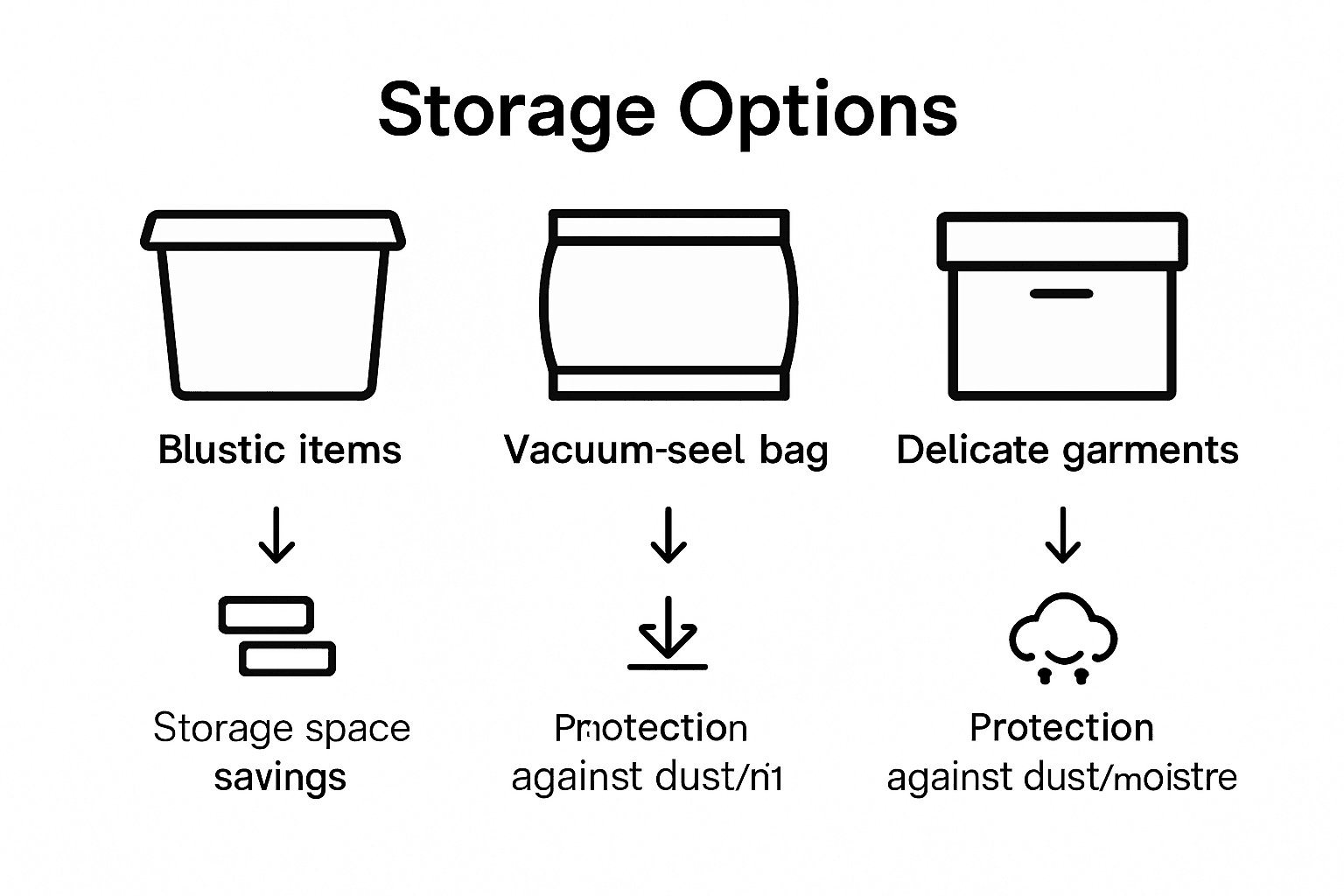
Pro Space Hack: Conduct a quarterly clothing inventory where you remove, assess, and reorganize your storage system, eliminating unnecessary items and ensuring your storage solutions remain efficient and clutter-free.
Common Mistakes When Storing Clothes
Textile conservation experts warn that improper clothing storage can significantly compromise the quality and longevity of your wardrobe. Many households unknowingly make critical errors that accelerate fabric wear, reduce clothing lifespan, and create unnecessary organizational chaos. Understanding these common mistakes is the first step toward protecting your valuable garments.
Common clothing storage mistakes include:
- Incorrect Hanger Usage: Using wire or inappropriate hangers that distort garment shape
- Moisture Mismanagement: Storing clothes in damp, humid environments
- Overcrowding: Compressing clothes too tightly, preventing air circulation
- Inconsistent Labeling: Failing to organize and identify storage containers
- Temperature Fluctuations: Exposing clothing to extreme or unpredictable temperature changes
Professional organizers emphasize that proper storage involves more than simply tucking clothes away. Advanced storage solutions require thoughtful consideration of fabric type, environmental conditions, and individual garment characteristics. Delicate fabrics need different storage approaches compared to sturdy materials, and understanding these nuanced requirements can prevent irreversible damage.
Pro Prevention Tip: Create a dedicated storage assessment routine where you inspect your clothing storage systems quarterly, checking for signs of moisture, fabric strain, and potential organizational improvements.
To help you avoid storage errors, here’s a quick summary of common mistakes and their long-term effects:
| Mistake | Effect on Clothes | Prevention Strategy |
|---|---|---|
| Overcrowding | Causes wrinkles, fabric stress | Maintain space between items |
| Wire Hanger Use | Misshapen shoulders, creases | Invest in padded hangers |
| Moist Environment | Leads to mildew, odors | Use moisture absorbers, air out |
| Lack of Labeling | Disorganized, difficult access | Use clear containers, labels |
| Temp. Fluctuations | Fading, deterioration | Store in climate-stable areas |
Transform Your Clothes Storage With Stylish Solutions
Managing your wardrobe can feel overwhelming when dealing with crowded closets and delicate fabrics that need special storage care. This article highlights key challenges like protecting garments from moisture and wrinkles while maximizing space using the right containers and organizational strategies. At BLUSHBEES USA, we understand the importance of combining fabric-specific storage with elegant design to keep your clothes in pristine condition and your space clutter-free.
Discover our carefully curated collection of Bedroom Storage and Underbed Storage solutions. These products are crafted to provide breathable, durable, and space-saving options that help maintain your wardrobe’s quality while bringing order and style to your home.

Ready to elevate your clothing organization and protect your garments with confidence? Visit BLUSHBEES USA today to explore smart storage containers, dividers, and boxes tailored for every fabric type and space. Take advantage of our promotional offers now and experience the perfect blend of function and aesthetic for your wardrobe needs.
Frequently Asked Questions
What types of storage containers are best for different clothing types?
Different clothing types require specific storage solutions. Rigid plastic bins are ideal for bulky items, soft fabric bags are suitable for lightweight garments, hanging organizers work well for dresses and suits, vacuum-sealed bags maximize space for off-season items, and drawer dividers help with small clothing and accessories.
How can I protect my clothes from moisture and dust during storage?
Choosing high-quality storage containers made from moisture-resistant materials and ensuring that your storage environment is cool and dry are key factors. Vacuum-sealed bags also provide excellent protection against moisture and dust, while breathable fabric bags prevent fabric stress.
What are the benefits of using vacuum-sealed bags for clothing storage?
Vacuum-sealed bags are optimal for maximizing space and protecting garments from moisture and dust. They compress bulky items, making them easier to store, while also preventing mold and odors from developing in off-season clothing.
How can I organize my clothes effectively in storage containers?
To organize clothes effectively, categorize your storage by season, frequency of use, and fabric sensitivity. Use labeling systems for easy identification and consider strategic folding techniques to minimize space usage while ensuring proper air circulation between items.

