

Over 60 percent of american adults say they struggle to keep healthy routines at home, yet daily habits shape everything from mood to long-term well-being. The choices you make each day are more powerful than most people realize. With the right daily practices, any american household can feel more organized, energized, and balanced. This guide uncovers proven ways to redefine healthy habits so your home becomes a true center for wellness and harmony.
Table of Contents
- Defining Healthy Daily Habits For Home
- Types Of Habits: Physical, Mental, Organizational
- Building Consistent And Effective Daily Routines
- Integrating Habits With Home Organization
- Common Mistakes In Daily Habit Formation
Key Takeaways
| Point | Details |
|---|---|
| Healthy daily habits are essential for wellness. | Focus on good nutrition, daily exercise, and adequate sleep to create a healthy lifestyle. |
| Structure routines for better health. | Consistent daily patterns, such as regular meal and sleep times, can significantly improve overall wellness. |
| Integrate physical, mental, and organizational habits. | Combine these interconnected habits to support holistic well-being and lifestyle efficiency. |
| Personalize your habit formation approach. | Understand your unique triggers and set realistic goals to develop sustainable habits effectively. |
Defining Healthy Daily Habits for Home
Healthy daily habits are more than just routine tasks - they are strategic practices that transform living spaces into wellness centers. According to a study in the International Journal of Advanced Nursing Studies, a healthy lifestyle fundamentally encompasses three core elements: good nutrition, daily exercise, and adequate sleep.
Establishing consistent household routines plays a critical role in promoting overall wellness. Research published in JAMA Pediatrics highlights how structured daily patterns can significantly impact health, particularly for families with young children. These routines might include:
- Regular meal times
- Consistent sleep schedules
- Dedicated physical activity periods
- Structured relaxation windows
Creating healthy daily habits requires intentional planning and commitment. It starts with understanding that small, consistent actions compound over time to produce meaningful lifestyle improvements. By focusing on nutrition, movement, rest, and mental well-being, households can create sustainable practices that support individual and collective health goals. Understanding Daily Cleaning Habits for a Tidy Home can further support these wellness objectives by creating environments that promote calm and organization.
Types of Habits: Physical, Mental, Organizational
Healthy daily habits can be categorized into three interconnected domains: physical, mental, and organizational. According to research from Arxiv, these habit types are not isolated but deeply interrelated, with structured routines significantly impacting overall performance and well-being.
Physical Habits focus on bodily health and include activities that promote fitness, nutrition, and physical wellness:
- Regular exercise
- Balanced meal planning
- Consistent sleep schedules
- Adequate hydration
- Preventive health screenings
Mental Habits center on cognitive and emotional well-being, involving practices that support psychological resilience:
- Mindfulness meditation
- Stress management techniques
- Continuous learning
- Emotional regulation
- Positive self-talk
Organizational Habits involve creating systems that streamline daily life and reduce mental clutter. As explored in A Navigational Approach to Health, these habits are crucial for maintaining overall life balance. Practical organizational strategies might include:

- Time management
- Decluttering spaces
- Digital and physical task tracking
- Setting clear priorities
- Creating efficient home workflows
By integrating these three habit types, individuals can create a holistic approach to wellness that supports physical health, mental clarity, and lifestyle efficiency.
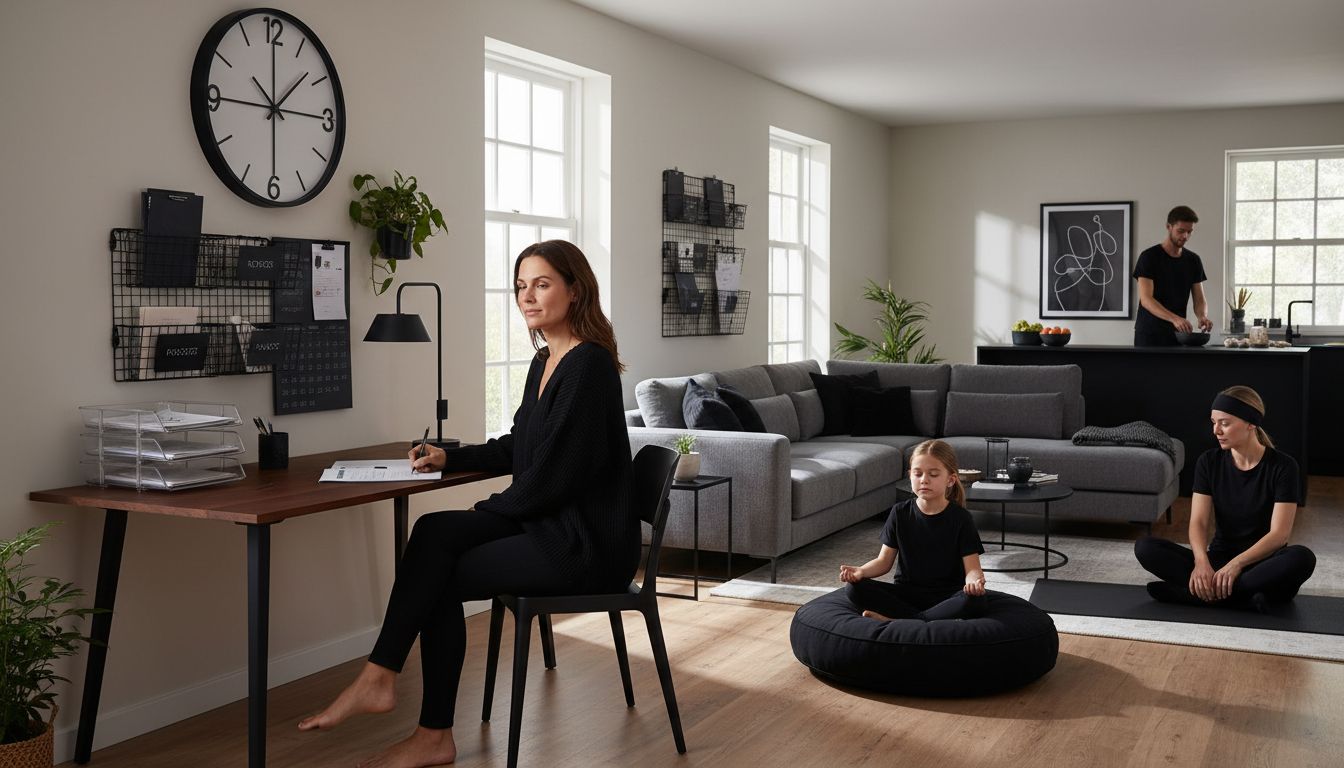 Bathroom Counter Organization Ideas for Stylish and Busy Homes can provide additional insights into developing practical organizational strategies that complement these habit types.
Building Consistent and Effective Daily Routines
Developing consistent daily routines is more than a productivity hack - it’s a scientifically proven strategy for long-term personal transformation. According to research in the American Journal of Lifestyle Medicine, creating structured habits significantly improves adherence to lifestyle changes and promotes sustained health improvements.
Key Components of Effective Routines include:
- Clear and specific goals
- Realistic and achievable steps
- Consistent timing
- Minimal resistance
- Built-in accountability
Interestingly, research on Micro-Health Interventions from Arxiv suggests that even brief, one-minute interventions can serve as powerful gateways to developing more comprehensive daily routines. This approach recognizes that sustainable change often begins with small, manageable actions.
Successful routine building requires a strategic approach. Start by identifying your most critical personal and professional objectives, then design routines that naturally support these goals. Break down larger objectives into smaller, actionable steps that can be integrated seamlessly into your daily life. Remember that flexibility is key - routines should enhance your life, not become rigid constraints.
For practical guidance on organizing your home and supporting these routine-building efforts, Where to Start When Your Whole House is a Mess: Expert Tips offers additional insights into creating supportive environments that make consistent habits easier to maintain.
Integrating Habits With Home Organization
Transforming your living space into a habit-supporting environment requires strategic thinking and intentional design. According to research on the Job Demands-Resources model from Wikipedia, the organizational aspects of your home environment play a crucial role in developing and maintaining healthy habits.
Key Strategies for Habit Integration include:
- Creating designated spaces for specific activities
- Minimizing visual clutter
- Establishing clear workflow zones
- Using visual cues and triggers
- Designing environments that naturally support desired behaviors
Modern technology offers innovative solutions for tracking and supporting habit development. A comprehensive study on ‘14 Years of Self-Tracking Technology for mHealth’ from Arxiv highlights how self-tracking tools can be seamlessly integrated into daily home routines, promoting behavior change and increasing user engagement.
Successful habit integration is about creating an environment that makes positive choices easier and more intuitive. This means strategically organizing your physical space to reduce friction and support your desired behaviors. Consider how your home’s layout, storage solutions, and daily workflows can be optimized to naturally guide you toward your health and productivity goals.
For practical insights into creating a more organized living space that supports habit formation, 10 Home Organization Tips for a More Tidy and Efficient Living Space offers expert guidance on transforming your home into a habit-friendly environment.
Common Mistakes in Daily Habit Formation
Habit formation is a complex process fraught with potential pitfalls that can derail even the most well-intentioned efforts. Drawing insights from Charles Duhigg’s work on habit formation, many individuals unknowingly sabotage their progress by failing to understand the fundamental mechanics of habit development.
Most Frequent Habit Formation Mistakes:
- Setting unrealistic expectations
- Attempting too many changes simultaneously
- Neglecting to identify clear triggers
- Overlooking the importance of rewards
- Inconsistent implementation
- Lack of specific, measurable goals
Research in the activity-specific approach from Wikipedia emphasizes that a universal strategy for habit formation is fundamentally flawed. Individual differences in temperament, motivation, and personal circumstances mean that what works for one person may completely fail for another.
Successful habit formation requires a nuanced, personalized approach. This means understanding your unique psychological triggers, creating realistic and incremental goals, and developing a system of meaningful rewards that genuinely motivate you. Consistently tracking progress, being patient with yourself, and making small, sustainable adjustments are key to long-term success.
For practical strategies to overcome these common challenges, 10 Home Organization Tips for a More Tidy and Efficient Living Space provides additional insights into creating supportive environments that make habit formation more achievable.
Create Healthy Habits by Organizing Your Home for Success
Busy homes often struggle with the overwhelming challenge of maintaining healthy daily habits due to clutter and disorganization. This article highlights how structured routines and a well-organized environment support physical, mental, and organizational habits. Key goals include reducing mental clutter, creating efficient workflows, and encouraging consistent behaviors that foster overall wellness. If you find yourself frustrated by chaotic spaces or difficulty sustaining new habits, focusing on home organization is a powerful first step.

Transform your living space now with smart and stylish storage solutions that make building and maintaining healthy habits easier. Discover how thoughtfully designed storage boxes, baskets, and dividers can provide designated spaces for everything thereby reducing resistance to your routines. Visit Blush Bees to explore tips on Bathroom Counter Organization Ideas for Stylish and Busy Homes and learn Where to Start When Your Whole House is a Mess: Expert Tips. Start organizing today to create a calm, motivating environment that supports your health and wellness goals.
Frequently Asked Questions
What are some essential healthy daily habits to incorporate at home?
Establishing healthy daily habits includes maintaining regular meal times, consistent sleep schedules, dedicating time for physical activity, and incorporating relaxation periods. These routines support overall wellness for families and individuals.
How can I build effective daily routines that promote a healthy lifestyle?
To build effective daily routines, set clear and specific goals, break them down into realistic and achievable steps, maintain consistent timing, reduce resistance, and include accountability measures. Starting with small actions can lead to sustainable changes over time.
What types of habits should I focus on for overall well-being?
Focus on three key types of habits: physical habits (like exercise and nutrition), mental habits (like mindfulness and stress management), and organizational habits (such as decluttering and time management) to support holistic wellness.
What are common mistakes people make when trying to form new habits?
Common mistakes include setting unrealistic expectations, trying to make too many changes at once, failing to identify clear triggers, neglecting rewards, and inconsistent implementation. A personalized approach is crucial for successful habit formation.
Recommended
- Bathroom Counter Organization Ideas for Stylish and Busy Homes (2025) – BLUSHBEES USA
- Where to Start When Your Whole House is a Mess: Expert Tips – BLUSHBEES USA
- Understanding Daily Cleaning Habits for a Tidy Home – BLUSHBEES USA
- Understanding Essential Tips for Busy Moms – BLUSHBEES USA
- 7 Essential Steps for a Smart Weight Loss Checklist

