

Every american family has at least one tradition that shapes its identity and creates lasting memories. Time together practicing rituals offers more than simple fun. Studies show that consistent family traditions can boost resilience and emotional security for children. These routines build a sense of belonging for everyone, making life’s changes easier to handle. If you are curious about how to make your family’s practices both meaningful and enjoyable, you will find practical inspiration and proven ideas here.
Table of Contents
- Defining Fun Family Traditions And Benefits
- Popular Types Of Family Traditions
- How To Start New Family Traditions
- Tips For Consistency And Engagement
- Creative Ideas For Modern Families
Key Takeaways
| Point | Details |
|---|---|
| Importance of Family Traditions | Family traditions strengthen emotional bonds and provide continuity, helping family members feel grounded and connected across generations. |
| Benefits for Well-being | Establishing traditions enhances family resilience, reduces stress, and fosters a supportive environment where members feel valued. |
| Creating Traditions | Meaningful traditions can be developed through simple, spontaneous activities that reflect family values, requiring minimal planning or expense. |
| Adapting Traditions | Traditions should evolve with family dynamics, encouraging regular assessments to ensure they remain relevant and engaging for all members. |
Defining Fun Family Traditions and Benefits
Family traditions are powerful connectors that weave emotional threads through generations, creating a shared narrative that strengthens familial bonds. Family traditions represent more than just repeated activities - they are meaningful practices that transmit core values, establish a sense of identity, and provide continuity across different life stages.
At their core, these traditions serve multiple critical functions within a household. Research indicates that family traditions help fulfill essential social and emotional needs by creating a profound sense of belonging. They establish predictable rhythms that provide comfort, especially for children who thrive on consistency and shared experiences. These routines might involve weekly game nights, annual holiday celebrations, specific mealtime rituals, or unique birthday traditions that become treasured family memories.
The benefits of establishing family traditions extend far beyond simple enjoyment. Psychological research suggests they contribute significantly to family resilience, helping members navigate challenges by reinforcing collective strength. Traditions can reduce stress, increase emotional security, and create a supportive framework where each family member feels valued. Whether simple or elaborate, these practices communicate love, respect, and shared commitment in ways that transcend verbal communication.
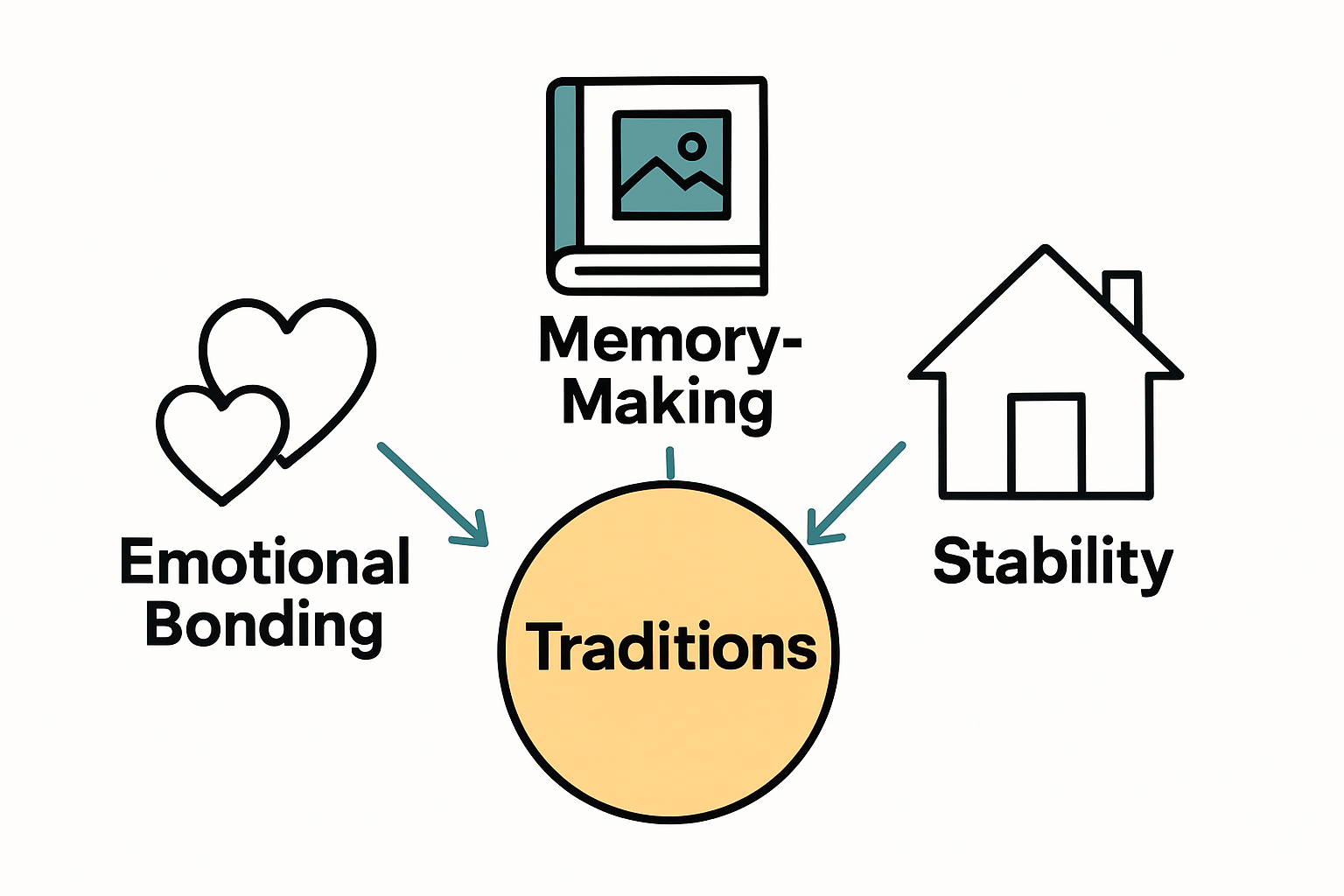
Creating meaningful family traditions doesn’t require elaborate planning or significant financial investment. The most powerful traditions often emerge organically - through spontaneous moments of connection, shared laughter, and consistent care. Family activity guides can provide inspiration for families seeking to develop their unique ritual practices that reflect their specific values, personalities, and cultural backgrounds.
Popular Types of Family Traditions
Family traditions come in countless creative forms, each designed to strengthen connections and create memorable shared experiences. Engaging tradition ideas range from structured weekly activities to spontaneous celebrations that reflect a family’s unique personality and values.
Some popular family traditions focus on regular shared experiences that build anticipation and routine. Research highlights several compelling approaches like weekly talent showcases, designated tech-free days, and weekend learning sessions that promote active engagement and personal growth. Meal-related traditions are particularly powerful - from Sunday family dinners where everyone contributes to cooking, to annual holiday feast preparations that involve multiple generations working together.
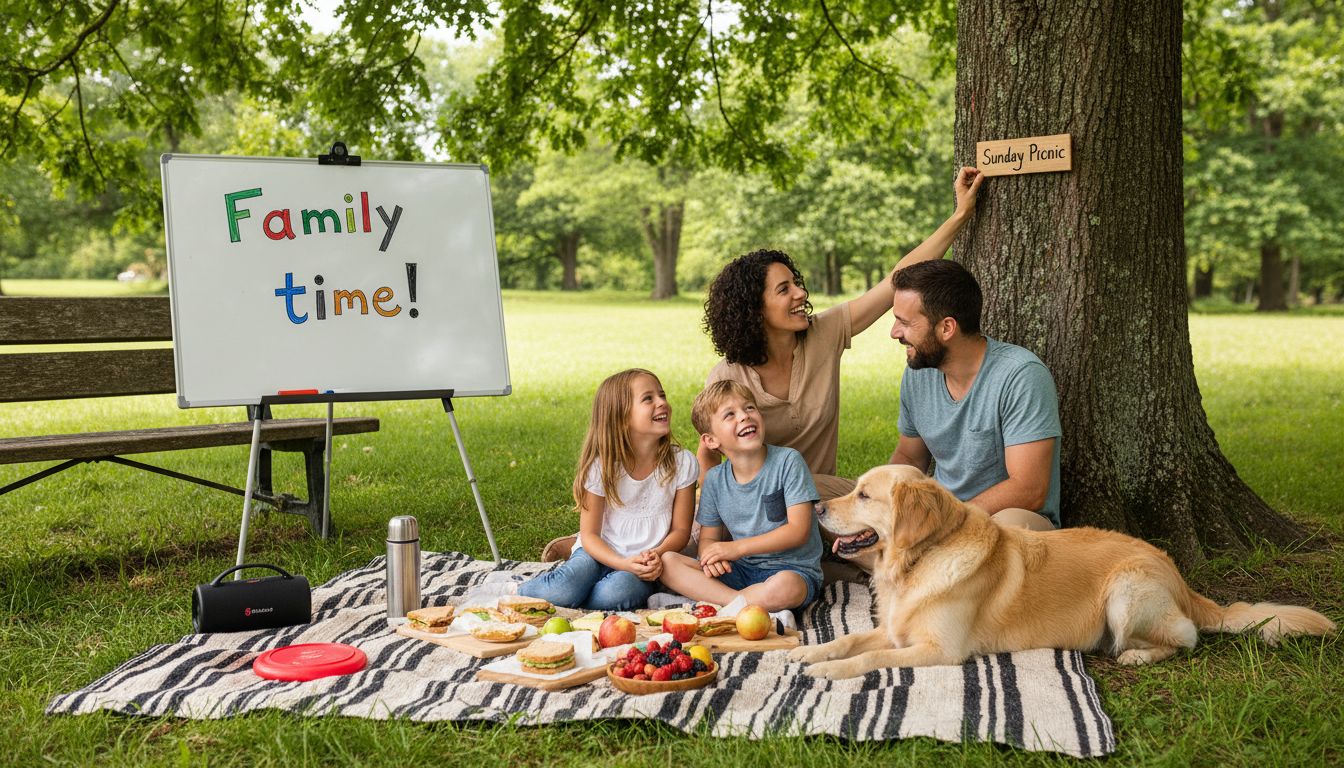
Recreational and adventure-based traditions offer another exciting avenue for family bonding. These might include monthly hiking trips, annual camping weekends, collaborative game nights, or creative projects like family photography sessions or scrapbooking events. Such traditions create opportunities for shared learning, skill development, and creating lasting memories that transcend ordinary daily interactions.
Themed traditions can also provide structure and excitement throughout the year. Family activity guides suggest developing unique rituals like birthday treasure hunts, quarterly goal-setting meetings, seasonal appreciation days, or rotating responsibility for planning family entertainment. These structured yet flexible traditions allow each family member to contribute, feel valued, and develop a sense of collective identity and mutual support.
How to Start New Family Traditions
Identifying meaningful family traditions requires thoughtful reflection on your family’s unique interests, values, and dynamics. The most successful traditions emerge from genuine passion and shared excitement, not from forced or artificial experiences. Begin by having open conversations with family members about activities that spark joy, create connection, and feel authentic to your collective personality.
Research suggests several strategic approaches to developing new traditions. Start small by introducing low-pressure activities that allow flexibility and spontaneity. These might include monthly goal-setting sessions, weekend adventure outings, or rotating responsibility for planning family entertainment. The key is creating opportunities for consistent interaction that feel natural and enjoyable rather than obligatory. Consider experimenting with different activities and observing which ones generate the most enthusiasm and participation.
Successful family traditions often blend structured elements with creative freedom. For example, you might establish a quarterly family talent show where everyone participates but individual expression is encouraged, or create an annual family learning day where each member teaches something new to the group. Family activity guides can provide inspiration for designing traditions that balance predictability with excitement.
Remember that traditions evolve. What works for your family today might change as children grow, circumstances shift, and interests develop. Maintain an attitude of playfulness and adaptability. Regularly check in with family members about which traditions feel meaningful and which might need reimagining. The most powerful traditions are those that grow and transform alongside your family, creating a dynamic tapestry of shared experiences and cherished memories.
Tips for Consistency and Engagement
Maintaining consistent family traditions requires strategic planning and a flexible approach that keeps activities fresh and engaging. The most successful traditions balance predictability with spontaneity, creating a framework that family members look forward to rather than view as a rigid obligation. Establishing a regular schedule helps embed these practices into your family’s routine, transforming them from occasional events into meaningful recurring experiences.
Research on family engagement reveals that active participation is crucial for sustaining traditions. This means creating opportunities for every family member to contribute, share ideas, and feel genuinely invested in the activity. Consider implementing a rotating leadership model where different family members take turns planning or directing the tradition. This approach not only distributes responsibility but also ensures that everyone’s interests and perspectives are represented over time.
Technology can be a powerful ally in maintaining consistency. Create shared digital calendars, group chats, or online planning boards that help track and coordinate family traditions. These tools can serve as gentle reminders, facilitate communication, and build anticipation for upcoming events. Family activity guides recommend setting realistic expectations - it’s better to have a simple tradition that happens regularly than an elaborate one that rarely materializes.
Be prepared to adapt and evolve. As family dynamics change with growing children, shifting schedules, and new life stages, traditions must flex and transform. Conduct periodic family meetings to assess which traditions still resonate and which might need reimagining. The most enduring family traditions are those that remain responsive to the changing needs and interests of family members, creating a living, breathing system of connection and shared experience.
Creative Ideas for Modern Families
Modern family traditions are evolving to meet the complex needs of contemporary households, blending technology, creativity, and meaningful connection. Today’s families are reimagining traditions that transcend conventional approaches, focusing on experiences that foster genuine interaction and personal growth. These innovative practices acknowledge the unique challenges and opportunities presented by our fast-paced, digitally connected world.
Research highlights several innovative approaches for contemporary families. Tech-free days have emerged as a powerful tradition, creating dedicated spaces for uninterrupted family interaction. Families might implement monthly weekend challenges where digital devices are set aside, encouraging face-to-face communication, board games, outdoor adventures, or collaborative creative projects. Weekend learning sessions offer another dynamic tradition, where family members take turns teaching each other new skills - from cooking international cuisines to learning basic coding or practicing musical instruments.
Creative goal-setting rituals provide another avenue for meaningful family connection. Monthly or quarterly family meetings can transform into engaging events where each member shares personal achievements, discusses challenges, and sets collective and individual objectives. These gatherings become opportunities for mutual support, accountability, and celebrating individual and family progress. Family communication guides suggest incorporating elements of playfulness and positive reinforcement to make these sessions engaging rather than feeling like formal performance reviews.
Ultimately, modern family traditions are about intentional connection. They’re less about rigid structures and more about creating flexible, meaningful experiences that adapt to changing family dynamics. Whether it’s a monthly adventure day, a rotating family cooking challenge, or an annual skill-sharing retreat, the most successful traditions remain rooted in genuine curiosity, mutual respect, and a shared commitment to growing together.
Create Meaningful Family Traditions with Organized Spaces
Building fun family traditions requires a home environment that welcomes connection and creativity. The article highlights how family rituals flourish when spaces are inviting, clutter-free, and tailored for shared activities like game nights or craft projects. Common challenges include finding the right spot for supplies and managing household chaos that can distract from these valuable moments.
Blushbees understands that organizing your home plays a key role in creating those memorable family experiences. Our durable storage boxes and stylish baskets help keep family essentials neat and accessible so you can focus on what really matters: spending quality time together. Whether you are planning a weekly talent show or monthly family adventure, having an organized closet or craft corner enhances participation and reduces stress.

Embrace the power of organization to strengthen your family traditions today. Visit Blushbees to explore versatile storage solutions designed for busy households seeking both beauty and function. Start transforming your home into a hub of connection and joy now. Discover practical ideas and storage inspiration in our family activity guides and turn simple moments into lasting memories.
Frequently Asked Questions
What are family traditions, and why are they important?
Family traditions are repeated meaningful practices that strengthen familial bonds and create a shared narrative. They help transmit core values, establish identity, and provide continuity across different life stages.
How can we start new family traditions?
Begin by reflecting on your family’s interests and values. Have open conversations about activities that spark joy and create connection. Start small with low-pressure activities and be flexible to experiment with different options.
What are some popular examples of family traditions?
Popular family traditions include weekly game nights, family dinners, annual holiday celebrations, tech-free days, and collaborative projects like scrapbooking or photography sessions. These activities promote bonding and create lasting memories.
How can we maintain engagement in family traditions over time?
To maintain engagement, establish a regular schedule and encourage active participation from all family members. Consider rotating leadership in planning activities and be open to adapting traditions as family dynamics evolve.

